
- All
- Product Name
- Product Keyword
- Product Model
- Product Summary
- Product Description
- Multi Field Search

Views: 0 Author: Site Editor Publish Time: 2025-11-20 Origin: Site
Ferrosilicon is a vital ferroalloy widely used in steelmaking and cast iron production. It plays a crucial role in deoxidizing molten metal, controlling chemical composition, and enhancing mechanical properties such as strength, hardness, toughness, and overall durability, making it indispensable for modern metallurgical processes. Selecting the appropriate ferrosilicon grade is essential, as different silicon contents directly impact the performance, consistency, and overall quality of steel and cast iron products, influencing both production efficiency and final product reliability.
Choosing the right grade of ferrosilicon ensures that metallurgical processes run efficiently, production costs are optimized, and the final product consistently meets or exceeds the required specifications. This comprehensive guide is designed to help buyers understand ferrosilicon grades, evaluate key selection factors, and make informed and confident decisions for their specific steel or cast iron applications, ultimately supporting higher-quality production outcomes.
Selecting the right ferrosilicon grade begins with understanding the differences in silicon content and how these variations impact metallurgical processes. Ferrosilicon grades are typically classified according to their silicon percentage, which influences their deoxidizing power, alloying effect, and contribution to the mechanical properties of steel and cast iron.
Ferrosilicon grades are generally categorized based on silicon content, such as:
Low-Silicon Ferrosilicon (15%): Primarily used for general deoxidation in carbon steels.
Medium-Silicon Ferrosilicon (45%): Offers stronger alloying effects for alloy steels and ductile iron.
High-Silicon Ferrosilicon (75%): Enhances mechanical properties and deoxidation efficiency in specialty steels.
Ultra-High-Silicon Ferrosilicon (90%): Used for highly specialized steel and nodular iron applications requiring precise silicon control.
Deoxidation: Higher silicon content improves the efficiency of removing dissolved oxygen from molten metal, reducing defects such as porosity and blowholes.
Alloying: Silicon contributes to hardness, strength, and elasticity. Different grades allow metallurgists to fine-tune mechanical properties according to application requirements.
Mechanical Properties: The chosen grade directly influences toughness, ductility, and wear resistance of steel or cast iron products.
Ferrosilicon grades are manufactured to meet strict industry standards, ensuring consistency and reliability. Common specifications define silicon percentage, allowable impurities, particle size, and purity levels. Adhering to these standards ensures that the selected ferrosilicon grade performs predictably in steelmaking and cast iron production.
Understanding these grades is critical for buyers to match ferrosilicon to specific metallurgical needs, optimizing both product quality and production efficiency.
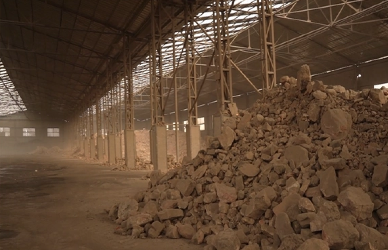
Selecting the right ferrosilicon grade requires careful evaluation of several critical factors to ensure optimal performance in steelmaking and cast iron production.
The type of metal being produced significantly influences grade selection. Different ferrosilicon grades are suited for:
Carbon Steel and Alloy Steel: Require specific silicon levels for effective deoxidation and strength enhancement.
Stainless Steel: Demands high-purity ferrosilicon to prevent contamination and maintain corrosion resistance.
Gray Cast Iron and Ductile Iron: Silicon content affects fluidity, nodularity, and mechanical properties. Understanding these requirements ensures proper deoxidation and alloying.
Mechanical requirements such as strength, hardness, toughness, and ductility dictate which ferrosilicon grade to use. Higher silicon content can increase hardness and strength, while lower grades may be chosen for softer, more ductile applications. Matching grade selection to performance needs ensures the final product meets quality and application standards.
The production method and furnace type also affect ferrosilicon choice:
Electric Arc Furnace (EAF): Allows for flexible addition rates and precise control of silicon content.
Induction Furnace: Requires careful consideration of grade and particle size to maintain uniform melting.
Cupola Furnace: Used primarily in cast iron production; grade selection affects fluidity and nodularity. Understanding furnace characteristics helps optimize addition rates and ensure uniform alloying.
Balancing cost with metallurgical performance is crucial. High-silicon or ultra-pure ferrosilicon grades may cost more but provide superior deoxidation and mechanical properties. Availability from suppliers and regional factors can also influence grade selection, so buyers should consider logistics and consistent supply when planning procurement.
By evaluating these factors—metal type, mechanical requirements, production process, and cost—buyers can select the most suitable ferrosilicon grade to achieve efficient, high-quality metallurgical results.
Different ferrosilicon grades are chosen based on their silicon content and the specific requirements of steelmaking or cast iron production. Understanding the applications of each grade helps metallurgists and buyers optimize both mechanical properties and process efficiency.
Primary Use: General deoxidation in carbon steels.
Function: Removes dissolved oxygen from molten metal to prevent defects such as porosity or blowholes.
Advantages: Cost-effective and suitable for standard steel grades where extreme mechanical properties are not critical.
Primary Use: Alloy steel production and improving mechanical properties.
Function: Provides stronger alloying effects, enhancing strength, hardness, and toughness.
Applications: Used in ductile iron, medium-alloy steels, and specialty steels where balanced mechanical properties are required.
Advantages: Offers a combination of efficient deoxidation and improved performance for demanding metallurgical processes.
Primary Use: Specialized steels, cast iron, and nodular iron production.
Function: Delivers precise silicon addition for nodularity, fluidity, and superior mechanical properties.
Applications:
Gray Cast Iron: Enhances fluidity and surface finish.
Ductile/Nodular Iron: Promotes nodularity and impact resistance.
Specialty Steels: Improves hardness and corrosion resistance.
Advantages: Ensures consistent chemical composition and high-quality metallurgical performance for demanding applications.
Selecting the appropriate ferrosilicon grade ensures optimal performance in steelmaking and cast iron production, balancing cost, deoxidation efficiency, and mechanical properties for the intended application.
Proper handling and storage of ferrosilicon are essential to maintain product quality, safety, and operational efficiency. Incorrect practices can lead to oxidation, moisture absorption, or safety hazards, negatively impacting metallurgical performance.
Prevent Oxidation: Store ferrosilicon in dry, well-ventilated areas to avoid exposure to moisture, which can lead to surface oxidation and reduced alloying efficiency.
Temperature Control: Maintain stable storage temperatures to minimize condensation and preserve chemical integrity.
Segregation: Separate different grades to prevent cross-contamination and ensure consistent silicon content for specific applications.
Protective Equipment: Workers should wear gloves, masks, and eye protection when handling ferrosilicon to avoid inhalation of dust and contact hazards.
Controlled Furnace Addition: When adding ferrosilicon to molten metal, follow proper procedures to prevent splashing, sparks, or sudden reactions.
Fire and Dust Safety: Avoid accumulation of dust and maintain proper ventilation to reduce the risk of fire or explosion in industrial settings.
Inventory Management: Implement a first-in, first-out (FIFO) system to use older stock first, preventing degradation of older batches.
Regular Inspection: Periodically check stored ferrosilicon for signs of oxidation, moisture absorption, or contamination.
Supplier Verification: Ensure incoming ferrosilicon meets industry standards for silicon content, impurities, and particle size to maintain production consistency.
Proper storage and handling of ferrosilicon not only preserve its chemical and physical properties but also enhance workplace safety and metallurgical efficiency, ensuring optimal performance in steel and cast iron production.
1.How do I determine which ferrosilicon grade is suitable for my steel or cast iron application?
The appropriate ferrosilicon grade depends on the type of metal, desired mechanical properties, and deoxidation needs. Low-silicon grades (15–45%) are suitable for general deoxidation in carbon steels, medium-silicon grades (45–75%) for alloy steels and ductile iron, and high-silicon grades (75–90%) for specialized steels, gray cast iron, and nodular iron.
Yes. Blending different grades allows metallurgists to fine-tune the silicon content and achieve precise chemical composition in molten metal. However, careful calculation and control are essential to maintain uniformity and avoid over- or under-alloying.
Higher silicon content in ferrosilicon enhances deoxidation efficiency, rapidly removing dissolved oxygen from molten metal. Lower grades are effective for standard deoxidation but may require larger quantities or additional alloying agents for specialized applications.
To preserve ferrosilicon quality, store it in dry, ventilated areas, away from moisture and contaminants. Separate different grades to prevent cross-contamination, and implement first-in, first-out (FIFO) inventory management. Regular inspection for oxidation or degradation ensures consistent performance in steel and cast iron production.
Choosing the right ferrosilicon grade is a critical step for achieving high-quality steel and cast iron, maximizing production efficiency, and maintaining cost-effectiveness. Using an unsuitable grade can lead to inconsistent chemical composition, compromised mechanical properties, and increased production defects, all of which can impact overall metallurgical performance.
A careful evaluation of material properties, metallurgical requirements, furnace type, and production processes ensures that the selected ferrosilicon grade aligns with the specific needs of each application. Considering factors such as cost, availability, and supplier reliability also helps optimize operational efficiency and long-term profitability.
Partnering with reputable suppliers guarantees consistent quality, adherence to industry standards, and dependable delivery, which are essential for stable and efficient production. By choosing the correct ferrosilicon grade and following best handling and application practices, metallurgical operations can achieve optimal product performance, reduced waste, energy efficiency, and long-term reliability, supporting both economic and industrial sustainability goals.

 English


