- All
- Product Name
- Product Keyword
- Product Model
- Product Summary
- Product Description
- Multi Field Search

Views: 0 Author: Site Editor Publish Time: 2026-06-06 Origin: Site
Foundries face mounting pressure to produce flawless components while navigating increasingly strict safety regulations. Legacy materials often fall short under extreme temperatures, causing unpredictable production delays and scrap. Transitioning from traditional silica or zircon to advanced ceramic sands provides a critical technical advantage for precision foundries. Metallurgists, foundry engineers, and procurement managers desperately need reliable ways to reduce shell cracking and improve intricate surface finishes. Material stability directly dictates a necessary move toward highly predictable refractory inputs to avoid costly failures. This shift fundamentally transforms daily casting operations and long-term part quality. You will discover a purely technical and operational framework to evaluate this specific material transition safely. We explore why a specific 100-mesh size offers the exact ideal balance for high-temperature superalloy applications. You will learn exactly how to adapt your existing slurry processes to maximize casting yields successfully.
Precision Matching: 100 mesh size strikes the optimal balance between surface detail resolution (primary coats) and shell permeability (backup coats).
Defect Reduction: Low thermal expansion coefficient directly mitigates dimensional variations and thermal shock-induced cracking during the burnout and pouring phases.
Process Adaptation Required: Transitioning to spherical ceramic sand requires re-evaluating slurry viscosity, suspension times, and binder ratios to prevent settling.
Compliance & Safety: Offers an OSHA-friendly alternative to traditional silica, fundamentally eliminating respirable crystalline silica hazards.
Current bottlenecks in precision casting operations often stem directly from inferior refractory choices. Shell failures lead rapidly to expensive inclusion defects in the final metal part. Dimensional inaccuracies force engineering teams into excessive, labor-intensive post-casting machining. These unexpected failures disrupt tight production schedules and inflate operational overhead significantly. When pouring high-value aerospace or medical components, a single shell crack ruins thousands of dollars of molten alloy.
Regulatory pressure adds another highly complex layer to foundry management. Foundries face escalating compliance burdens associated with crystalline silica dust mitigation. Occupational safety regulators enforce extremely strict exposure limits for respirable silica particles. Meeting these stringent standards requires massive facility investments in heavy-duty ventilation, continuous air monitoring, and specialized personal protective equipment. Ignoring these environmental risks exposes operations to severe regulatory fines and unacceptable worker health liabilities.
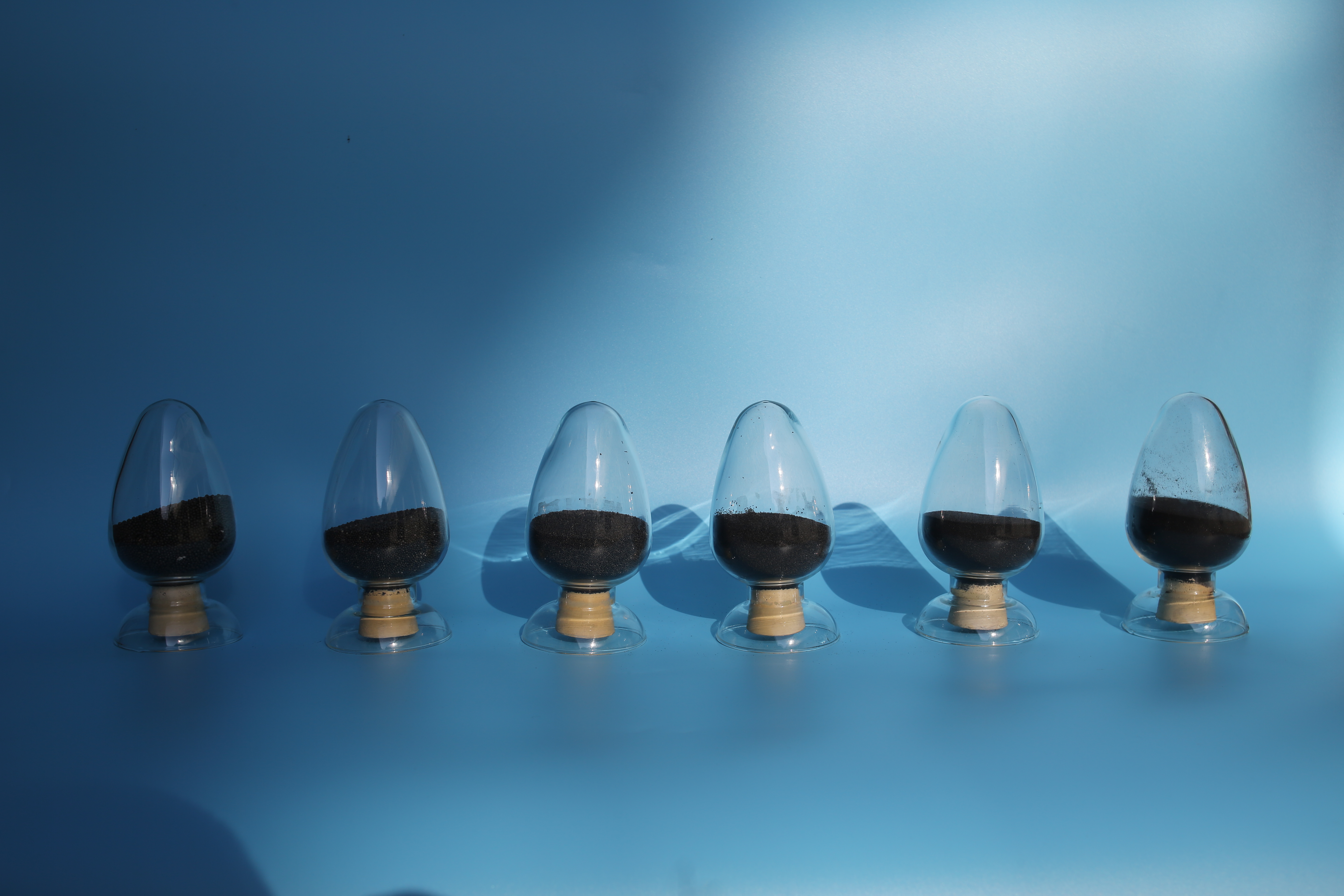
Adopting a specialized ceramic foundry sand refractory represents a fundamental strategic shift. You immediately move the operation from reactive defect management to proactive process control. Synthetic spherical ceramic grains offer unmatched thermal stability under intense heat. Crucially, they eliminate silica-related respirable dust hazards entirely. Foundries utilizing advanced ceramics spend vastly less time troubleshooting cracked molds or managing airborne dust. They spend more time delivering high-precision, geometrically complex alloys to demanding global clients.
Why specifically rely on a 100-mesh particle size distribution (PSD)? The physics of this exact grading provides exceptional versatility for foundry engineers. Foundries must carefully balance fine detail capture against the absolute need for shell gas permeability. A 100-mesh PSD achieves this critical equilibrium perfectly.
The 100-mesh size (approximately 150 microns) yields exceptionally tight, incredibly smooth primary layers. It captures intricate wax pattern details without bleeding, bridging, or losing edge definition. However, an investment shell must also allow expanding gases to escape during the high-temperature metal pouring phase. If the refractory grain is too fine, trapped gas causes severe porosity defects in the metal. The 100-mesh structure maintains sufficient micro-porosity for reliable gas venting. You achieve premium surface finishes while actively eliminating trapped air pockets.
Artificial spherical ceramic beads behave very differently from natural angular sands. Angular grains lock together erratically. They create uneven stress points and poor flowability across complex patterns. Spherical grains pack densely and predictably. They roll over sharp wax pattern geometries smoothly. This superior flowability ensures highly uniform coating thicknesses even in tight internal corners. High packing density also improves the mechanical strength of the fired shell. Furthermore, spherical grains possess a lower surface-area-to-volume ratio. They consume significantly less expensive binder than irregular angular sands.
High-temperature alloy casting demands intense thermal and chemical stability. We must evaluate alumina (Al2O3) content carefully during the selection process. High alumina levels guarantee an exceptionally high refractoriness or fusion point. The ceramic material actively resists chemical attacks from highly reactive molten steel or superalloys. The synthetic sand withstands temperatures easily exceeding 1800°C. It will not break down, fuse to the casting, or react unfavorably during prolonged high-heat exposure.
Foundries frequently evaluate new synthetic ceramics against legacy zircon and fused silica materials. Understanding these core physical differences prevents costly casting failures and improves daily workflow.
Comparing ceramics directly to zircon sand reveals major operational shifts. Specific gravity plays a massive role in shell building mechanics. Ceramic grains are significantly lighter than ultra-dense zircon. This lower weight reduces overall shell mass drastically. Human operators experience much less physical fatigue during manual dipping procedures. Robotic dipping arms undergo less mechanical stress and motor wear, extending equipment lifespans. Furthermore, zircon suffers from extreme supply chain volatility. Geopolitical factors constantly disrupt pricing and availability. A synthetic 100 mesh refractory sand offers a far superior performance ratio with highly predictable domestic or global availability.
When compared to fused silica, the advantages focus heavily on advanced thermal expansion. Ceramic boasts a very low and perfectly linear thermal expansion curve. It offers much higher resistance to high-temperature deformation or bulging. Fused silica presents a severe structural risk during the high-temperature cristobalite phase transition. As fused silica remains at elevated temperatures, it devitrifies. Upon cooling, it undergoes a sudden volumetric change. This severe phase shift routinely cracks delicate investment shells. Synthetic ceramics contain no free silica. They fundamentally eliminate this unpredictable phase transition risk entirely.
Here is a precise performance comparison chart highlighting these operational differences:
Material Property | Ceramic Sand (100 Mesh) | Zircon Sand | Fused Silica |
|---|---|---|---|
Specific Gravity | Moderate (~3.3 g/cm³) | Very High (~4.6 g/cm³) | Low (~2.2 g/cm³) |
Thermal Expansion Curve | Low & Linear | Moderate & Linear | Non-linear (Cristobalite shift) |
Flowability / Morphology | High (Spherical) | Low (Angular) | Low (Angular) |
Supply Chain Volatility | Low (Synthetic Manufacturing) | High (Mined Resource) | Low |
Respirable Dust Hazard | None | Low (Trace Radioactive) | High (Silicosis Risk) |
Slurry suspension dynamics change noticeably when you introduce dense, spherical ceramics. Spherical grains behave differently in colloidal silica or ethyl silicate binders compared to irregular crushed silica. They flow exceptionally well over wax, but they also settle faster in the mixing tank if left unagitated.
You must implement specific fluid mitigation strategies immediately. Engineers should adjust wetting agents (surfactants) and antifoams to match the new ceramic surface chemistry. Continuous mixing speeds require careful, precise calibration. Increasing the impeller RPM slightly prevents rapid settling without introducing unwanted microscopic air bubbles. Monitor slurry viscosity daily using a Zahn cup to maintain optimal shell thickness.
Drying and curing variables also require immediate environmental attention. The specific heat capacity and high packing density of an upgraded investment casting shell dictate modified atmospheric controls. Dense ceramic shells hold moisture differently than porous silica shells. You must adjust drying room relative humidity (RH) and airflow velocity settings accordingly. Rapid, aggressive drying can cause disastrous binder migration to the shell surface. Slow drying stalls production throughput unnecessarily. Test your room's airflow distribution to ensure even curing across complex, multi-layered shell geometries.
Stucco application demands careful technique tuning. Best practices ensure optimal, uniform adhesion of the 100-mesh ceramic stucco to the wet primary slurry layer.
Rainfall Sanding: This method proves ideal for delicate primary coats. The spherical grains easily penetrate deep pattern recesses. Ensure the screen drop height minimizes grain impact force so it does not wash away the delicate wet binder.
Fluidized Bed Techniques: This approach works excellently for rapid backup coat application. However, spherical grains fluidize much easier than angular sand. You may need to systematically reduce bed air pressure to prevent violent bubbling and uneven stucco coverage.
Selecting a reliable materials partner goes far beyond reading a standard marketing specification sheet. You must evaluate supplier manufacturing capabilities deeply. Consistent particle size distribution from batch to batch is absolutely non-negotiable. Sudden variations in PSD will ruin your carefully tuned slurry viscosity. Ask potential suppliers for historical sieve analysis reports and quality control charts. You also need strict traceability of the raw input materials. The quality of the calcined bauxite directly dictates the final alumina content. Poor raw materials yield weak, unpredictable ceramic bonds.
Designing a strict pilot run ensures a safe transition to a new ceramic sand coating. Rushing into full-scale production guarantees expensive scrap. Follow a structured engineering validation logic.
Step 1: Small-batch viscosity and shell thickness testing. Mix a specialized test batch using your standard plant binder. Dip specific control wax patterns. Measure the wet and dry layer thickness meticulously. Adjust wetting agents until the ceramic slurry coats evenly without dripping, webbing, or tearing.
Step 2: Burnout behavior and modulus of rupture (MOR) testing. Fire the test shells in your standard autoclave or flash burnout oven. Check thoroughly for micro-cracking. Perform a standardized three-point bend test to establish the green and fired MOR. The spherical grains should yield a highly robust interlocking matrix.
Step 3: Live pouring test focusing on shakeout ease and surface casting defects. Pour your most demanding, heat-intensive alloy. Evaluate the mechanical knockout process. Ceramic sands typically crumble quite easily after pouring. Inspect the raw metal casting under bright lighting for inclusions, rat-tailing, or poor surface finishes.
Upgrading to highly engineered ceramic materials yields tremendous long-term operational advantages. Precision foundries immediately notice significantly lower scrap rates and drastically reduced finishing times. Operators benefit immensely from enhanced workplace compliance and the permanent removal of hazardous silica dust. Predictable, linear thermal stability effectively eliminates the dangerous guesswork from high-temperature alloy pours.
Take decisive action by systematically introducing these advanced materials to your internal engineering teams.
Request a comprehensive technical data sheet (TDS) and safety data sheet (SDS) from qualified ceramic suppliers.
Secure a small pilot sample to run a localized slurry suspension and viscosity test.
Compare the test shell's green and fired strength against your current historical baseline.
Map out all necessary physical adjustments for drying room airflow and mixer impeller speeds before executing full-scale procurement.
A: Usually, no. However, you must evaluate your current motor torque and mixing blade setup. Dense, spherical suspensions require consistent, moderate-shear agitation to prevent rapid settling. Older, low-torque motors might struggle to maintain continuous suspension. Upgrading to high-efficiency impellers often solves any initial mixing resistance without requiring entirely new stainless steel tanks.
A: Ceramic investment shells offer excellent reclamation potential compared to single-use silica. Thermal and mechanical reclamation processes can successfully recover 70% to 85% of the ceramic grains. The extreme high hardness of the spherical beads prevents excessive breakdown during mechanical crushing. This high recyclability directly offsets the initial material purchase price significantly.
A: Spherical grains pack uniformly, creating highly predictable interstitial spaces. The liquid colloidal binder fills these precise voids evenly. This uniform binder interlocking creates a highly continuous structural matrix. Fired shells exhibit a significantly higher Modulus of Rupture (MOR). They resist cracking under high mechanical stress far better than erratic angular sand matrices.
A: It primarily serves as a transitional or primary stucco. The 100-mesh size captures intricate pattern details perfectly while providing adequate initial gas permeability. For heavy backup layers, foundries typically switch to coarser meshes like 30/50. Coarser backup grains build shell thickness rapidly and maximize bulk permeability for high-volume gas venting.

 English