
- All
- Product Name
- Product Keyword
- Product Model
- Product Summary
- Product Description
- Multi Field Search

Views: 0 Author: Site Editor Publish Time: 2025-11-24 Origin: Site
Ferrosilicon is an essential ferroalloy extensively used in both steelmaking and cast iron production. Its versatility stems from its dual functionality: in steel, it serves as a deoxidizer, removing oxygen from molten metal to prevent defects and enhance mechanical properties such as strength and toughness; in cast iron, it acts as an inoculant, promoting graphite nucleation to improve microstructure, ductility, and machinability.
A clear understanding of these distinct roles is crucial for metallurgists, foundry engineers, and steel manufacturers. Applying the appropriate ferrosilicon grade at the correct dosage and timing allows for optimal deoxidation in steel and effective inoculation in cast iron. By carefully controlling its use, manufacturers can enhance chemical composition, refine microstructure, and achieve consistent, high-quality steel and cast iron products. This approach not only improves product performance but also reduces production defects and operational costs, making ferrosilicon a cornerstone of modern metallurgical processes.
In steelmaking, ferrosilicon serves as an essential deoxidizer, removing dissolved oxygen from molten steel. Oxygen in molten metal can lead to undesirable defects, such as blowholes, porosity, and reduced mechanical performance. By effectively reducing oxygen levels, ferrosilicon ensures the chemical stability of the steel, laying the foundation for high-strength, defect-free products.
The deoxidizing action of ferrosilicon occurs through chemical reactions between silicon and oxygen in the molten steel. Silicon reacts with oxygen to form stable silicon oxides, which separate from the metal, preventing gas porosity and other oxygen-related defects. This process also contributes to a smoother surface finish in cast or rolled steel products. Proper control of temperature, silicon content, and addition timing is crucial to maximize deoxidation efficiency.
Ferrosilicon is widely applied across various steel types:
Carbon Steel: Enhances overall strength and uniformity while preventing blowholes.
Alloy Steel: Supports precise chemical composition and improves mechanical performance.
Stainless Steel: Helps control oxygen content, improving corrosion resistance and surface quality.
Enhanced Strength: Reduces microstructural defects that could weaken the steel.
Reduced Brittleness: Minimizes the formation of oxides that can cause cracks or brittleness.
Improved Uniformity: Ensures consistent mechanical properties throughout the steel batch.
Process Reliability: Promotes predictable metallurgical outcomes and reduces production risks.
By effectively acting as a deoxidizer, ferrosilicon plays a crucial role in producing high-quality steel, enabling manufacturers to meet stringent industry standards and deliver reliable, defect-free products.
In cast iron production, ferrosilicon functions as a critical inoculant, promoting the formation of graphite during solidification. Graphite nucleation is essential for achieving the desired microstructure in gray and ductile iron. By acting as an inoculant, ferrosilicon helps control the size, distribution, and shape of graphite particles, directly influencing the mechanical properties and overall quality of the cast iron.
Ferrosilicon inoculants work by introducing nucleation sites in the molten iron, encouraging the formation of graphite rather than carbides. This process:
Promotes a uniform microstructure, reducing internal stresses and enhancing material stability.
Reduces shrinkage and other casting defects that can occur during solidification.
Improves machinability, allowing for easier cutting, drilling, or shaping of the cast iron parts.
Proper control of ferrosilicon grade, dosage, and timing of addition is critical to maximize its inoculating effect and achieve consistent, high-quality cast iron products.
Ferrosilicon inoculants are commonly used in:
Nodular (Ductile) Iron: Enhances impact resistance, toughness, and ductility.
Gray Cast Iron: Improves fluidity, reduces porosity, and ensures smoother surface finish.
Specialized Cast Iron Alloys: Supports consistent microstructure and mechanical performance in engineering or automotive components.
Improved Toughness: Strengthens the iron, making it more resistant to fracture or impact.
Enhanced Ductility: Provides flexibility in the material, reducing brittleness.
Better Surface Quality: Ensures smooth casting surfaces and reduces machining difficulties.
Consistent Mechanical Properties: Achieves uniformity across batches, crucial for industrial applications.
By acting as an effective inoculant, ferrosilicon ensures that cast iron products meet mechanical performance standards, maintain structural integrity, and achieve high-quality finishes, making it an indispensable additive in modern foundry operations.
The performance of ferrosilicon in both steelmaking and cast iron production depends on multiple factors. Optimizing these parameters ensures efficient deoxidation, effective inoculation, and consistent metallurgical quality.
Low vs. High Silicon Grades: Ferrosilicon is available in varying silicon percentages, typically ranging from 15% to 90%.
Application Considerations: Low-silicon grades are generally used for general deoxidation in steel, while higher silicon grades are preferred for specialized steels, ductile iron, or cast iron inoculation.
Impact on Performance: The silicon content directly affects the alloy’s reactivity, deoxidation capacity, and ability to promote graphite nucleation. Choosing the correct grade is essential for achieving desired chemical composition and microstructure.
Optimizing Dosage: The amount of ferrosilicon added must be carefully calculated based on the metal volume, oxygen content, and desired silicon level.
Efficiency Considerations: Under-dosing may lead to insufficient deoxidation or poor inoculation, while over-dosing can result in waste, increased costs, or unwanted microstructural changes.
Metallurgical Balance: Proper dosing ensures consistent mechanical properties, reduces defects, and maintains cost-effectiveness.
Steelmaking: Ferrosilicon can be added during furnace charging or ladle treatment to optimize deoxidation efficiency.
Cast Iron Production: Addition during mold inoculation ensures uniform graphite nucleation and microstructure.
Importance: Correct timing maximizes the effect of ferrosilicon while minimizing energy loss, oxidation, or other adverse reactions.
Avoiding Contaminants: Elements such as phosphorus, sulfur, and aluminum can interfere with deoxidation reactions or graphite formation.
Quality Assurance: Using high-purity ferrosilicon and carefully monitored raw materials prevents unwanted side reactions and ensures consistent metallurgical performance.
Process Reliability: Controlling impurities helps achieve stable, predictable results in both steel and cast iron production.
By carefully considering silicon content, addition rates, timing, and impurity control, metallurgists can fully leverage the dual role of ferrosilicon, achieving high-quality steel and cast iron with improved mechanical properties, microstructure, and surface quality.
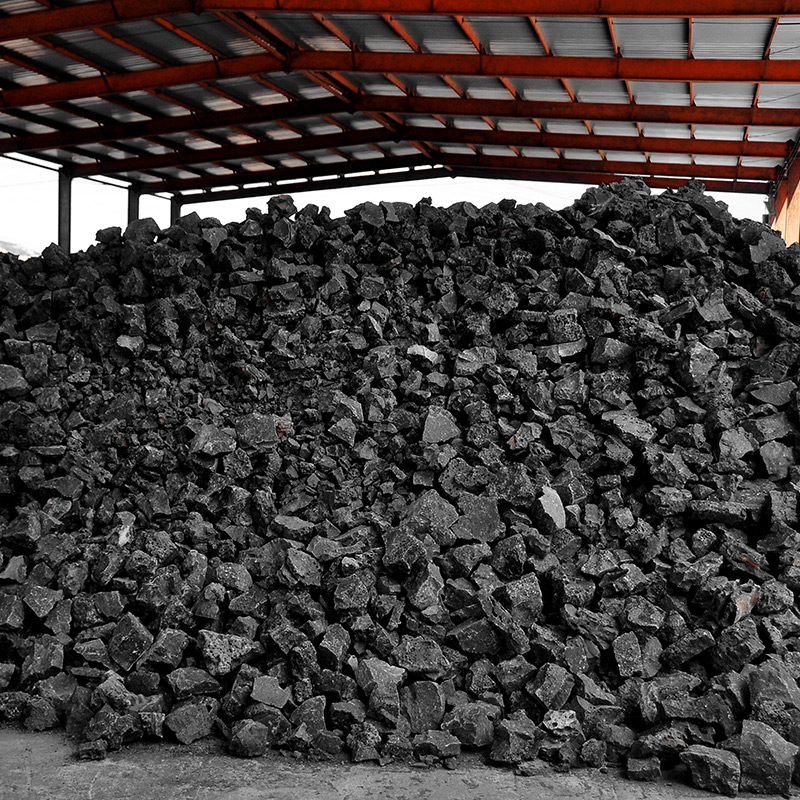
Optimizing the use of ferrosilicon requires careful planning and attention to detail. The following practical tips help metallurgists maximize the alloy’s effectiveness in both steelmaking and cast iron production.
Match Grade to Application: Low-silicon ferrosilicon is suitable for general deoxidation in steel, while medium- and high-silicon grades are preferred for alloy steels, ductile iron, or specialized cast iron products.
Consider Metallurgical Requirements: Evaluate mechanical properties, chemical composition goals, and deoxidation or inoculation needs before choosing a grade.
Supplier Reliability: Work with reputable suppliers to ensure consistent quality and purity of ferrosilicon.
Furnace Control: Track temperature, oxygen levels, and melt composition during charging to ensure optimal deoxidation.
Ladle Treatment: Adjust timing and addition rate based on molten metal conditions to improve inoculation and microstructure.
Real-Time Monitoring: Utilize sensors and digital controls to track furnace parameters and prevent deviations that could affect alloy performance.
Synergistic Effects: Ferrosilicon can be used alongside other alloys or inoculants, such as magnesium for ductile iron, to achieve specialized properties.
Optimized Microstructure: Controlled combinations help refine grain structure, enhance graphite formation, and improve overall mechanical properties.
Tailored Solutions: Adjust additive types and amounts depending on steel or cast iron specifications to meet specific industrial or customer requirements.
By following these practical tips, metallurgists can ensure that ferrosilicon performs effectively, resulting in high-quality steel and cast iron products with optimized mechanical properties, consistent microstructure, and minimal production defects. Proper handling, monitoring, and combination strategies are key to leveraging the full potential of ferrosilicon in modern metallurgy.
The role of ferrosilicon depends on the type of molten metal, production stage, and method of addition. In steelmaking, it acts as a deoxidizer when added to molten steel to remove oxygen and prevent defects. In cast iron production, it functions as an inoculant, promoting graphite nucleation and improving microstructure. Proper timing, dosage, and grade selection are critical to achieving the desired effect.
Different silicon levels in ferrosilicon influence its reactivity and metallurgical performance. Low-silicon grades are typically used for general deoxidation, medium-silicon grades enhance mechanical properties and partial inoculation, and high-silicon grades are ideal for specialized steels and cast iron inoculation. Selecting the correct grade ensures efficient oxygen removal or graphite formation, depending on the application.
Yes, in some industrial processes, ferrosilicon can serve both purposes, but careful control is required. Factors such as grade, addition timing, melt composition, and furnace type must be optimized to ensure that the alloy effectively removes oxygen in steel while promoting graphite nucleation in cast iron without compromising either process.
Using an incorrect grade or silicon content for the intended application.
Adding ferrosilicon at the wrong time or temperature, reducing its effectiveness.
Over- or under-dosing, which can lead to poor deoxidation, uneven microstructure, or defects.
Neglecting impurity control, introducing elements that interfere with oxidation reactions or graphite formation.
Ferrosilicon plays a dual and indispensable role in metallurgy, acting as a deoxidizer in steelmaking and an inoculant in cast iron production. In steel, it removes oxygen from molten metal, preventing defects and improving mechanical properties such as strength and toughness. In cast iron, it promotes uniform graphite nucleation, enhances microstructure, and improves ductility and surface quality.
The benefits of ferrosilicon extend beyond quality improvement. Proper selection of grade, silicon content, dosage, and addition method ensures optimal metallurgical efficiency, consistent product properties, and cost-effectiveness. Understanding and applying these best practices allows metallurgists and foundry engineers to achieve reliable, high-performance steel and cast iron while minimizing production defects and waste.
By leveraging the dual functionality of ferrosilicon, modern metallurgical operations can produce superior alloys, maintain stringent quality standards, and optimize operational efficiency, making it a cornerstone of industrial steel and cast iron production.

 English


