
- All
- Product Name
- Product Keyword
- Product Model
- Product Summary
- Product Description
- Multi Field Search

Views: 0 Author: Site Editor Publish Time: 2025-11-22 Origin: Site
Ferrosilicon is a vital ferroalloy widely used in metallurgical processes, playing a critical role in modern steelmaking and cast iron production. It is primarily composed of iron and silicon, and its unique properties make it indispensable for controlling the chemical composition of molten metal. By acting as a deoxidizer and alloying agent, ferrosilicon enhances the strength, hardness, and durability of steel and cast iron while reducing production defects.
This article explores the industrial applications, benefits, and best practices of using ferrosilicon in steelmaking and cast iron production, providing insights into how this ferroalloy contributes to higher-quality, more reliable, and efficient metallurgical operations.
Ferrosilicon is an alloy of iron and silicon, widely used in the metallurgical industry. Depending on its application, it typically contains 15–90% silicon, with the balance being iron. This alloy is valued for its ability to control the chemical composition of steel and cast iron, ensuring improved mechanical properties and reduced defects in the final products.
Ferrosilicon is commonly produced using an electric arc furnace process, which involves melting high-purity silica (SiO₂) and iron at extremely high temperatures. This process creates a solid ferroalloy with consistent chemical composition and high purity. The production parameters, such as silicon content and temperature control, are carefully monitored to meet the specific needs of different steelmaking and cast iron applications.
High Melting Point: Ferrosilicon can withstand extreme temperatures, making it suitable for addition to molten metals without premature oxidation or degradation.
Deoxidizing Capability: It effectively removes oxygen from molten steel and cast iron, preventing defects like porosity, blowholes, or weak spots.
Strong Alloying Effect: Ferrosilicon enhances mechanical properties, such as hardness, tensile strength, and wear resistance, while enabling precise control of silicon content in the final product.
Understanding these fundamental aspects of ferrosilicon is essential for metallurgists and foundry engineers, as it lays the groundwork for its effective use in both steelmaking and cast iron production.
Ferrosilicon plays a vital role in modern steelmaking, serving multiple functions that enhance the quality, strength, and consistency of steel products. Its unique properties make it indispensable for deoxidizing, alloying, and refining steel.
One of the primary uses of ferrosilicon is as a deoxidizer. When added to molten steel, it reacts with dissolved oxygen to form stable silicon oxides. This process:
Prevents defects such as porosity, blowholes, and weak spots in the steel.
Improves mechanical properties, including tensile strength and toughness.
Enhances surface finish, ensuring smoother and defect-free steel sheets and components.
Ferrosilicon also serves as an important alloying agent, supplying silicon to molten steel. This addition:
Increases hardness, strength, and elasticity, making steel more durable and suitable for demanding applications.
Controls magnetic properties in specialty steels, which is essential for electrical steel used in transformers, motors, and generators.
Optimizes chemical composition, ensuring consistent steel quality across batches.
Another critical application is grain refinement, where ferrosilicon promotes the formation of finer grain structures in steel. This results in:
Enhanced toughness, reducing the risk of fractures under stress.
Improved machinability, facilitating easier cutting, shaping, and finishing processes.
Uniform mechanical properties, ensuring reliable performance in structural and industrial steel products.
By combining these three functions, ferrosilicon not only improves steel quality but also increases production efficiency and reduces material waste, making it an essential alloy in modern metallurgical practices.
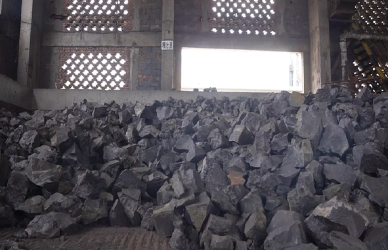
Ferrosilicon is a crucial additive in cast iron production, enhancing mechanical properties, controlling chemical composition, and improving the overall quality of cast products. Its applications vary depending on the type of cast iron being produced.
In nodular (ductile) cast iron, ferrosilicon acts as a nodulizer, promoting the formation of spherical graphite structures instead of flake graphite. This process:
Improves impact resistance and ductility, making the iron less brittle.
Enhances tensile strength and toughness, suitable for automotive, machinery, and heavy equipment components.
Ensures uniform graphite distribution, reducing internal stresses and the risk of fractures.
For gray cast iron, ferrosilicon serves as an important silicon source, contributing to:
Enhanced fluidity, which allows molten iron to fill complex molds more effectively.
Reduced shrinkage, minimizing defects during solidification.
Improved surface finish, producing smoother, more precise castings for industrial applications.
Ferrosilicon also plays a key role in chemical composition control. By carefully adjusting the silicon and carbon content, metallurgists can:
Achieve consistent cast iron quality across different batches.
Optimize mechanical and thermal properties for specific industrial requirements.
Minimize variations that could lead to defects, ensuring reliable performance in end-use applications.
By fulfilling these roles, ferrosilicon ensures that both ductile and gray cast irons meet stringent quality standards, making it indispensable in modern foundries and industrial casting operations.
Ferrosilicon offers multiple advantages in both steelmaking and cast iron production, making it an essential material for metallurgical industries.
Adding ferrosilicon improves the hardness, tensile strength, and toughness of steel and cast iron. This ensures that the final products can withstand heavy loads, high stress, and demanding industrial applications, leading to more durable and reliable components.
Ferrosilicon contributes to better resistance against corrosion and wear, extending the service life of steel and cast iron products. This property is particularly valuable in construction, automotive, and machinery applications, where materials are exposed to harsh environments and continuous use.
Ferrosilicon acts as a deoxidizer and alloying agent, allowing metallurgists to maintain precise silicon and carbon levels. Accurate chemical control ensures consistent material properties across batches, reducing variability and enhancing quality reliability.
By preventing issues such as porosity, shrinkage, and uneven grain structure, ferrosilicon minimizes production defects. This leads to higher yield, improved surface finish, and better overall production efficiency, ultimately lowering operational costs and improving profitability.
Overall, the use of ferrosilicon is key to producing high-quality, strong, and durable steel and cast iron, supporting both industrial performance and cost-effective manufacturing.
Proper handling and storage of ferrosilicon are essential to maintain its quality, ensure worker safety, and comply with environmental regulations.
Prevent Oxidation and Moisture Absorption: Ferrosilicon should be stored in dry, covered areas to avoid exposure to moisture, which can reduce its effectiveness and create safety hazards.
Avoid Contamination: Keep ferrosilicon separate from other metals or chemicals to maintain purity and consistent performance in steelmaking or cast iron production.
Controlled Addition: When adding ferrosilicon to molten metal, ensure proper feeding techniques to avoid splashing or excessive reactions.
Personal Protective Equipment (PPE): Workers should wear heat-resistant gloves, face shields, and protective clothing to minimize the risk of burns or injuries.
Ventilation: Ensure adequate ventilation to disperse dust or fumes generated during furnace charging.
Dust Control: Use dust collection systems to prevent airborne particles from entering the workplace environment.
Waste Management: Properly handle and dispose of any ferrosilicon residues or packaging materials according to local environmental regulations.
Training and Protocols: Ensure all personnel are trained in safe handling procedures and emergency protocols, maintaining compliance with occupational safety standards.
By following these handling and safety considerations, foundries and steel plants can protect workers, preserve the quality of ferrosilicon, and ensure safe and efficient metallurgical operations.
The silicon content in ferrosilicon usually ranges from 15% to 90%, depending on the intended application. Lower silicon content is often used for general steel deoxidation, while higher percentages are applied in specialty steels requiring precise chemical composition and enhanced mechanical properties.
Yes. Ferrosilicon is versatile and can be used in carbon steel, alloy steel, and stainless steel production. It acts as a deoxidizer, controls silicon content, and improves mechanical properties across different steel grades.
In cast iron production, ferrosilicon functions as a nodulizer and silicon source, promoting spherical graphite formation in ductile iron and improving fluidity in gray cast iron. This results in enhanced strength, impact resistance, surface finish, and reduced shrinkage, ensuring consistent quality in castings.
Proper handling of ferrosilicon includes storing it in dry areas, avoiding moisture and contamination, using personal protective equipment (PPE) during furnace addition, ensuring adequate ventilation, and following environmental and workplace safety regulations. Training staff on safe handling and emergency protocols is also critical
Ferrosilicon plays a crucial role in modern steel and cast iron production, serving as both a deoxidizer and alloying agent. Its use helps improve mechanical properties, such as strength, hardness, and toughness, while ensuring precise control of silicon and carbon content in molten metal. By reducing defects like porosity, shrinkage, and uneven grain structure, ferrosilicon contributes to higher-quality, more reliable steel and cast iron products.
Proper handling, storage, and optimized usage of ferrosilicon are essential not only for worker safety but also for industrial efficiency and cost-effective production. Adopting best practices ensures that ferrosilicon delivers maximum benefits, supporting sustainable and high-performance metallurgical operations.

 English


